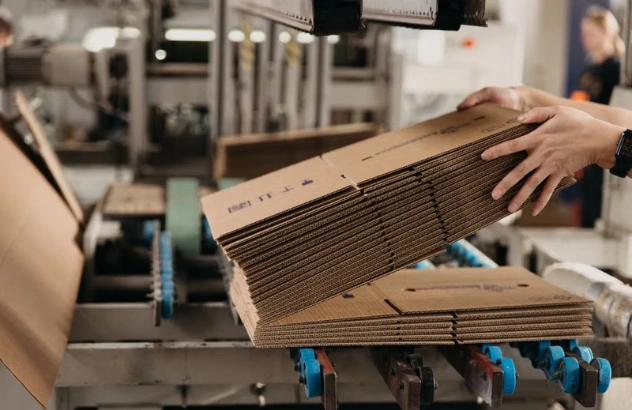
In many corrugated sheet plants, production inefficiencies are often attributed to the shop floor — machine uptime, staffing levels, or material flow. Yet as operations grow more complex, the source of lost performance frequently sits upstream in planning. Shorter runs, expanding SKU counts, and tighter customer expectations mean schedules must account for more variables and change more often than ever before.
When those plans are built using spreadsheets or static tools, even small disruptions can cascade into missed deliveries, uneven workloads, and unnecessary overtime.
The Limits of Manual Scheduling
Manual scheduling pushes teams into a reactive mode of operation. Schedulers spend their time responding to changes instead of anticipating them, while customer service makes commitments based on theoretical capacity rather than real production conditions. On the floor, production teams absorb this uncertainty through extra setups, rushed changeovers, and frequent lineup adjustments.
Over time, the gap between planned and actual performance becomes normalized. Utilization slips, delivery reliability suffers, and the operation becomes increasingly dependent on individual experience to hold everything together, especially when scheduling knowledge is concentrated with one or two people.
The Takeaway for Modern Sheet Plants
The most important shift for today’s sheet plants is recognizing that scheduling is no longer a background task, it’s a primary driver of operational performance. When planning logic doesn’t reflect real conditions on the floor, the inefficiencies show up everywhere: utilization, delivery reliability, labor stability, and customer confidence. And because these effects accumulate quietly, many plants accept them as unavoidable side effects of complexity rather than symptoms of a deeper issue in how schedules are built.
What makes this challenge especially difficult is that its root causes aren’t always visible. Teams often focus on execution issues — hot jobs, changeovers, overtime, and day-to-day disruptions — without realizing that the plan itself may be introducing variability before production even begins. Understanding how scheduling decisions influence OEE, OTIF, and day-to-day stability requires stepping back and looking at planning as a system, not a lineup.
For readers who want to explore this topic in more depth, the full guide, Automated Production Scheduling in Sheet Plants, takes a closer look at why scheduling becomes a constraint in modern operations, and what changes when plants rethink how planning is done.